الإجابة المختصرة
عادةً ما تعرض الرسوم البيانية سعر العرض (Bid) فقط، بينما يتم إغلاق الصفقات باستخدام سعر التنفيذ الفعلي في السوق، والذي قد يتغير بسبب السيولة والانزلاق السعري (Slippage). لهذا السبب قد يختلف السعر المنفذ عمّا تراه على الرسم البياني.
يوضح هذا الفيديو سبب اختلاف السعر المعروض على الرسم البياني قليلاً عن سعر إغلاق الصفقة الفعلي. كما يبيّن كيف تؤثر أسعار العرض والطلب، وسيولة السوق، والانزلاق السعري على التنفيذ في الوقت الفعلي.
ما هو السعر الذي يعرضه الرسم البياني فعليًا
تعرض معظم الرسوم البيانية للتداول سعرًا واحدًا فقط — وهو سعر العرض (Bid).
لماذا يُعرض سعر العرض فقط
يُستخدم سعر العرض للأسباب التالية:
- يعكس الحركة الرئيسية للسوق
- يحافظ على وضوح الرسم البياني بصريًا
- يمثل أفضل سعر بيع في تلك اللحظة
ومع ذلك، فإن التداول الفعلي يشمل دائمًا كلا السعرين العرض والطلب.
كيف يتم إغلاق الصفقات فعليًا في السوق
عند إغلاق الصفقة:
- تُغلق صفقات الشراء عند سعر العرض (Bid)
- تُغلق صفقات البيع عند سعر الطلب (Ask)
وهذا يعني أن سعر الإغلاق يعتمد على سيولة السوق الحالية، وليس على الخط الواحد الظاهر في الرسم البياني.
ما هو الانزلاق السعري ولماذا يحدث
شرح مبسّط للانزلاق السعري
يحدث الانزلاق السعري عندما:
- يتحرك السوق بسرعة
- تتغير السيولة
- يتحدّث السعر المتاح قبل اكتمال التنفيذ
يتم تنفيذ أمرك عند أفضل سعر متاح في السوق، وليس عند آخر حركة سعرية ظاهرة.
متى يكون الانزلاق السعري أكثر شيوعًا
- أثناء صدور الأخبار الاقتصادية
- عند فتح أو إغلاق السوق
- في ساعات انخفاض السيولة
- خلال فترات التقلب المرتفع
لماذا لا يتطابق سعر الرسم البياني مع سعر التنفيذ دائمًا
وذلك للأسباب التالية:
- تعرض الرسوم البيانية سعر العرض فقط
- يعتمد التنفيذ على أسعار السوق اللحظية
- تتغير الفروق السعرية (Spreads) والسيولة باستمرار
هذا الاختلاف جزء طبيعي من التداول في السوق.
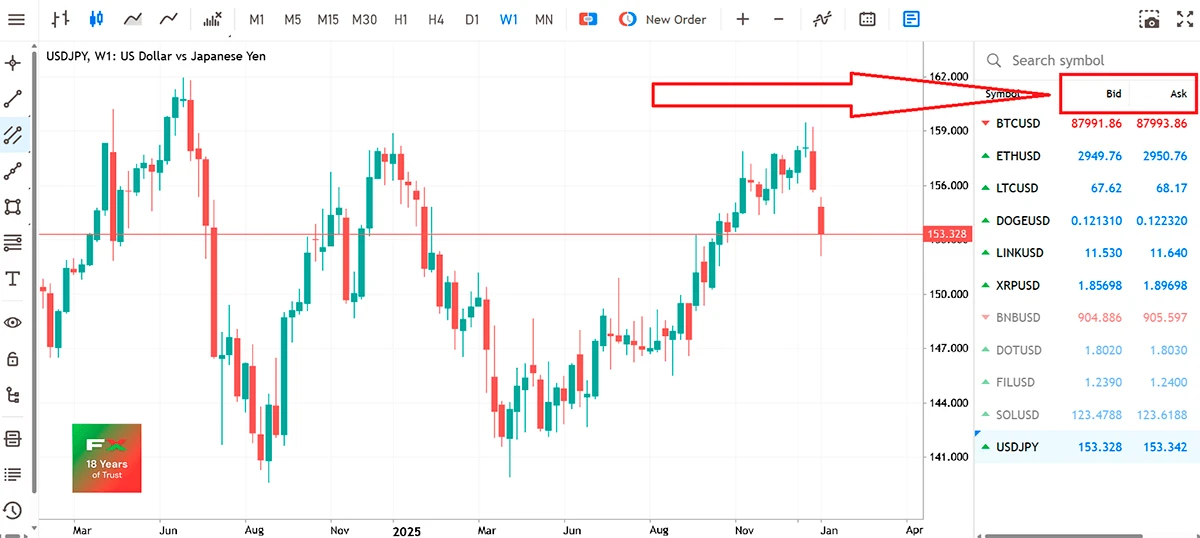
يوضح هذا الرسم التوضيحي كيف يختلف سعر الرسم البياني الظاهر عن سعر التنفيذ الفعلي في السوق.
لماذا يُعد هذا سلوكًا طبيعيًا في السوق
هذا ليس:
❌ خطأً في المنصة
❌ تلاعبًا من الوسيط
❌ تسعيرًا غير صحيح
هذا هو:
✅ تنفيذ في السوق بشكل لحظي
✅ مطابقة سيولة قياسية
✅ آليات تداول عالمية
تعمل جميع أنظمة التداول الاحترافية بهذه الطريقة.
لماذا يهم هذا الأمر المتداولين
يساعد فهم آليات التنفيذ المتداولين على:
- تجنب مفاجآت التنفيذ
- إدارة المخاطر أثناء التقلبات
- وضع أوامر وقف الخسارة وجني الأرباح بشكل واقعي
- التداول بثقة أكبر
تنشأ معظم الشكاوى المتعلقة بالتنفيذ من سوء فهم تسعير الرسم البياني.
ما الذي يليه
سنشرح فيما يلي:
لماذا تم تخطي أمري المعلق أو تفعيله في وقت لاحق عمّا كان متوقعًا؟
يغطي هذا الموضوع التقلبات، وفجوات السيولة، وأولوية التنفيذ.
العودة العودة