Forex broker seçimi, düzenleme ve fon güvenliğini kontrol etmekle başlar, ardından işlem maliyetleri, platformlar ve hesap koşulları karşılaştırılır. Bir forex brokerı seçmek için, saygın bir otorite tarafından lisanslandığını ve müşteri fonlarının gerektiğinde ayrı hesaplarda tutulduğunu doğrulayın. Ardından spread, komisyon ve swap ile platform kalitesini değerlendirin ve bir demo hesap üzerinden emir gerçekleştirmeyi test edin. Son olarak, canlı bir hesabı fonlamadan önce kaldıraç seviyelerini, müşteri desteğini, para yatırma ve çekme işlemlerini ve eğitim araçlarını değerlendirin.
Bir forex broker ne yapar?
Bir forex broker, döviz çiftlerini bir işlem platformu aracılığıyla işlem yapabilmeniz için döviz piyasasına erişim sağlar. Brokerlar fiyatları yayınlar, emirlerinizi piyasaya veya dahili sistemlere yönlendirir ve grafikler, göstergeler, ekonomik takvimler ve piyasa araştırması gibi araçlar sunabilir. Düzenlenmiş brokerlar ayrıca müşteri fonlarının yönetimi, raporlama ve şikayetler konusundaki kurallara uymak zorundadır; bu kurallar bazı bölgelerde ayrı hesaplar ve negatif bakiye koruması içerebilir.
Adım 1: Bir forex brokerının düzenlenip düzenlenmediğini nasıl kontrol edersiniz?
Brokerın sitesinden başlayın ve tüzel kişi adını, lisans numarasını ve düzenleyici logosunu (örneğin FCA, CySEC, ASIC, FSA) arayın. Ardından yetkilendirmenin gerçek ve güncel olduğunu doğrulamak için şirket adını veya lisans numarasını kullanarak bu bilgileri düzenleyicinin kamuya açık sicilinde çapraz kontrol edin. İyi düzenlenmiş birçok bölgede kurallar, kaldıraç üst sınırlarını, marjin kapatma seviyelerini ve müşteri fonlarının ayrıştırılmasını kapsar, dolayısıyla düzenleme broker güvenliğinin temel bir parçasıdır. Bir lisansı doğrudan düzenleyici ile doğrulayamıyorsanız, o brokerı yüksek riskli olarak değerlendirin.
Adım 2: Forex işlem maliyetlerini nasıl karşılaştırırsınız?
Forex işlem maliyetleri genellikle spread, komisyon ve gecelik swap (finansman) ücretlerinden oluşur. Bazı brokerlar ücretlerini spread'e ekleyerek “yalnızca spread” modeli sunarken, diğerleri daha dar ham spread'lerle birlikte işlem başına ayrı bir komisyon alır. Normal piyasa koşullarında sürekli düşük spread'ler ve şeffaf komisyon tabloları, uzun vadeli maliyetlerinizi tahmin etmeyi kolaylaştırır. Ayrıca çekim ücretleri veya hareketsizlik ücretleri gibi işlem dışı ücretleri de kontrol edin; seyrek işlem yapıyorsanız bunlar önemli olabilir. Daha ayrıntılı bilgiyi burada bulabilirsiniz - https://nordfx.com/how-trading-works
Adım 3: Bir forex işlem platformunu nasıl test edersiniz?
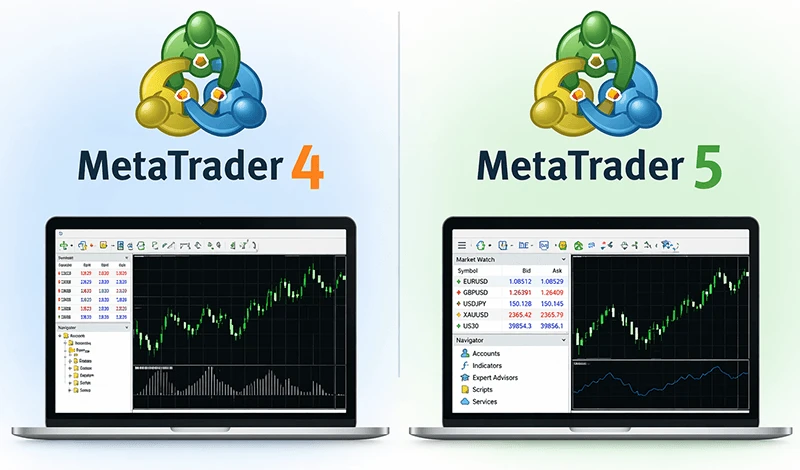
Bir demo hesap açın ve gerçek parayı riske atmadan önce platformu gerçekçi koşullarda test edin. İstikrarlı performans, hızlı emir gerçekleştirme, sezgisel grafikler, göstergeler ve yaklaşımınıza uygun emir türleri (piyasa, limit, stop, iz süren stop) sunup sunmadığını kontrol edin. Birçok yatırımcı MetaTrader 4 veya MetaTrader 5 gibi iyi bilinen platformları kullanırken, diğerleri entegre araştırma araçlarına sahip özel web veya mobil platformları tercih eder. Platform normal piyasalarda sık sık donuyor, bağlantısı kopuyor veya büyük kaymalarla emir gerçekleştiriyorsa, o broker uygun olmayabilir.
Adım 4: Hesap türlerini ve kaldıracı nasıl seçersiniz?
Brokerlar genellikle minimum depozito, fiyatlandırma modeli (yalnızca spread'e karşı spread+komisyon) ve kaldıraca göre farklılık gösteren birden fazla hesap türü sunar. Düzenlenmiş birçok bölgede, ana forex çiftlerinde bireysel yatırımcılar için maksimum kaldıraç yaklaşık 1:30'dur ve minör çiftler, emtialar ve hisselerde daha düşük üst sınırlar uygulanır. Daha yüksek kaldıraç (örneğin 1:100 veya daha fazlası) bazı offshore veya profesyonel hesaplarda mevcut olsa da, kayıpları da büyüttüğünden temkinli veya deneyimsiz yatırımcılar genellikle daha düşük kaldıraçla başlar. En yüksek oranın peşinden koşmak yerine, minimum depozito ve kaldıracın risk toleransınıza ve deneyiminize uygun olduğu bir hesap seçin.
Adım 5: Piyasa erişimini ve enstrümanları nasıl kontrol edersiniz?
Ana ve minör döviz çiftlerinin ötesinde, birçok broker endeksler, emtialar, hisseler ve bazen kripto paralar üzerinde CFD'ler sunar. Çeşitlendirme planlıyorsanız, brokerın stratejinizle ilgili enstrümanları ve kontrat büyüklüklerini listeleyip listelemediğini önceden kontrol edin. Ayrıca bu enstrümanların forex çiftleriyle karşılaştırıldığında nasıl davrandığını bilmek için işlem saatlerini, marjin gereksinimlerini ve tipik spread'leri de inceleyin. Daha geniş bir ürün yelpazesi, işlem yaklaşımınız zamanla geliştikçe faydalı olabilir.
Adım 6: Müşteri desteğini nasıl değerlendirirsiniz?
Müşteri desteği, canlı sohbet, e-posta ve telefon gibi gerçekten kullandığınız kanallar üzerinden, ideal olarak işlem yaptığınız saatlerde ulaşılabilir olmalıdır. Para yatırmadan önce, hesaplar veya doğrulama hakkında basit bir soru ile yanıt sürelerini test edin ve yanıtın ne kadar ayrıntılı ve doğru olduğunu görün. Güvenilir brokerlar; marjin kurallarını, platform sorunlarını ve fonlama prosedürlerini net bir şekilde açıklayabilen bilgili destek ekiplerine yatırım yapar. Hesap öncesi aşamada zayıf veya ilgisiz hizmet genellikle ileride sorun yaşanacağının işaretidir.
Adım 7: Para yatırma ve çekme işlemlerini nasıl değerlendirirsiniz?
Mevcut ödeme yöntemlerine (banka havalesi, kart, e-cüzdanlar) bakın ve hem para yatırma hem de çekme işlemleri için belirtilen işlem sürelerini ve ücretleri kontrol edin. Köklü brokerların çoğu çekim işlemlerini bir ila üç iş günü içinde tamamlamayı hedefler, ancak bu bölgeye ve ödeme yöntemine göre değişebilir. Düzenlenmiş brokerlar sıkı kara para aklamayla mücadele kurallarına uymak zorunda olduğundan, işlem hesabınızdaki ismin ödeme yöntemi sahibinin ismiyle eşleştiğinden emin olun. Net ve tutarlı bir şekilde uygulanan fonlama politikaları, güvenilir bir işlem ortamının önemli bir parçasıdır.
Adım 8: Eğitim ve araştırma nasıl yardımcı olur?
İşlem rehberleri, web seminerleri, platform eğitimleri ve demo hesaplar gibi eğitim kaynakları, yeni yatırımcıların hem forex piyasalarını hem de broker araçlarını anlamalarına yardımcı olabilir. Bazı brokerlar ayrıca günlük araştırmalar, ekonomik takvimler ve duyarlılık verileri de sunar; bunlar karar vermenizi destekleyebilir ancak kendi analizinizin yerini almamalıdır. Yeni başlayan biriyseniz, güçlü bir eğitim ve araştırma bölümü genellikle agresif bonus veya promosyonlardan daha değerlidir. Zamanla bu kaynaklar stratejinizi ve risk yönetiminizi geliştirmenize yardımcı olabilir.
Hesap açmadan önce pratik kontrol listesi
Bir brokera bağlanmadan önce bu hızlı kontrol listesini kullanın:
- Broker düzenlenmiş mi ve lisansı resmi bir sicilde doğrulayabiliyor muyum?
- Spread, komisyon, swap ve işlem dışı ücretler açıkça açıklanmış mı?
- İşlem platformu (web, masaüstü, mobil) demo hesapta sorunsuz çalışıyor mu?
- Hesap türleri, minimum depozito ve kaldıraç limitleri risk toleransıma uygun mu?
- Para yatırma ve çekme işlemleri makul ölçüde hızlı, şeffaf politikalara sahip ve gizli ücretler olmadan mı gerçekleşiyor?
- Müşteri desteği basit test sorularına duyarlı ve bilgili bir şekilde yanıt veriyor mu?
Forex broker seçerken kaçınılması gereken yaygın hatalar
Özellikle düzenleme zayıf veya belirsizse, yalnızca bonuslar, yarışmalar veya çok yüksek kaldıraç nedeniyle bir broker seçmeyin. Net bir lisans numarası sağlayamayan veya ayrıntıları düzenleyicinin siciliyle eşleşmeyen brokerlardan kaçının. Özellikle işleme yeniyseniz veya platforma aşina değilseniz, demo testini atlamayın. Son olarak, işlem maliyetlerinin etkisini hafife almayın—spread ve komisyonlardaki küçük farklar aktif yatırımcılar için önemli ölçüde birikebilir.
Forex broker seçimi hakkında SSS
Forex broker seçmenin en güvenli yolu nedir?
Forex broker seçmenin en güvenli yolu, düzenleme ve fon güvenliği ile başlamaktır. Öncelikle, resmi sicili kontrol ederek brokerın tanınmış bir düzenleyici tarafından yetkilendirildiğini doğrulayın. Ardından, kaldıraç limitlerini, marjin kurallarını ve müşteri fonlarının geçerli olduğu durumlarda ayrı hesaplarda tutulup tutulmadığını anlamak için brokerın koşullarını okuyun. Ancak bundan sonra işlem maliyetlerini, platformları ve hesap türlerini karşılaştırmalısınız.
Yeni başlayanlar ne kadar kaldıraç kullanmalıdır?
Yeni başlayanlar genellikle bireysel işlemlerin hesap bakiyeleri üzerinde daha az etkisi olması için daha düşük kaldıraçla başlamakta fayda görürler. Düzenlenmiş birçok bölgede, bireysel müşteriler için ana forex çiftlerinde maksimum kaldıraç yaklaşık 1:30 ile sınırlıdır ve bu seviye hem kârları hem de zararları büyütmek için zaten yeterlidir. Tutucu yeni yatırımcılar genellikle öz sermayeye göre daha küçük pozisyon büyüklükleriyle işlem yaparak daha düşük etkin kaldıraç seçer. Deneyim arttıkça risk toleranslarını yeniden değerlendirebilir ve pozisyon büyüklüklerini buna göre ayarlayabilirler.
Yalnızca spread'li ve komisyonlu hesaplar arasındaki fark nedir?
Yalnızca spread'li hesaplar brokerın ücretini alış–satış spread'ine dahil eder, böylece esas olarak bu fiyat farkı üzerinden ödeme yaparsınız. Komisyonlu hesaplar daha dar ham spread'ler sunar ancak işlem başına veya işlemin her yönü için sabit bir ücret alır; bu, aktif yatırımcılar için daha şeffaf olabilir. Daha iyi seçim; işlem tarzınıza, sıklığınıza ve ortalama işlem büyüklüğünüze bağlıdır. Yüksek frekanslı veya büyük hacimli yatırımcılar genellikle net bir komisyon yapısıyla daha dar spread'leri tercih eder.
Kendi platformuna sahip bir broker mı yoksa MetaTrader mı seçmeliyim?
MetaTrader 4 ve MetaTrader 5, geniş gösterge ve uzman danışman ekosistemleriyle yaygın olarak kullanılmakta olup birçok yatırımcı tarafından takdir edilmektedir. Özel platformlar modern web ve mobil arayüzler, entegre araştırma ve benzersiz araçlar sunabilir ancak sizi tek bir brokerın ekosistemine bağlayabilir. En iyi yaklaşım, her ikisini de demo modunda test etmek ve hangisinin daha sezgisel, istikrarlı ve stratejinize uygun olduğunu görmektir. Platform kalitesi ve güvenilirliği, marka adından daha önemlidir.
Geri dön Geri dön